
The Impact of Spiritual Care: Helping People Find Peace and Purpose
For Michael Hedges, spiritual care is about meeting people where they are, helping families find peace, and making sure no one faces life’s most difficult moments alone.
By Melody Royse | October 21, 2026
SHOREVIEW, MN (October 21, 2026) — During Spiritual Care Week, October 18–24, we celebrate Michael and spiritual counselors across Ecumen who bring comfort and connection to people during life’s most challenging moments.
For 10 years, Michael has been a spiritual counselor at Ecumen, drawing on his 15 years of experience as a chaplain. He meets with patients and their families, leads services and hosts a grief support group twice a month. But perhaps his most important work happens in quieter moments: listening to a person’s life story, helping a family prepare to say goodbye or simply sharing a cup of coffee with someone who is grieving.
“I just fell in love with helping people one-on-one,” Michael says. “I think there’s a heavy taboo in being able to talk about death and dying. But at that point in life, many people feel a sense of release.”
While death can be difficult to discuss, Michael has learned that many people nearing the end of life have made peace with it.
“Many of the people I visit are ready. They’ve lived a good life and their friends are gone. Knowing that they can die well is a good way to say goodbye to this life.”
Spiritual care looks different for everyone. For some, it means prayer, Scripture or communion. Others may want to reflect on their lives, talk through their fears or reconnect with a faith community. Michael serves people of all religions and helps each person find the support that feels right for them.
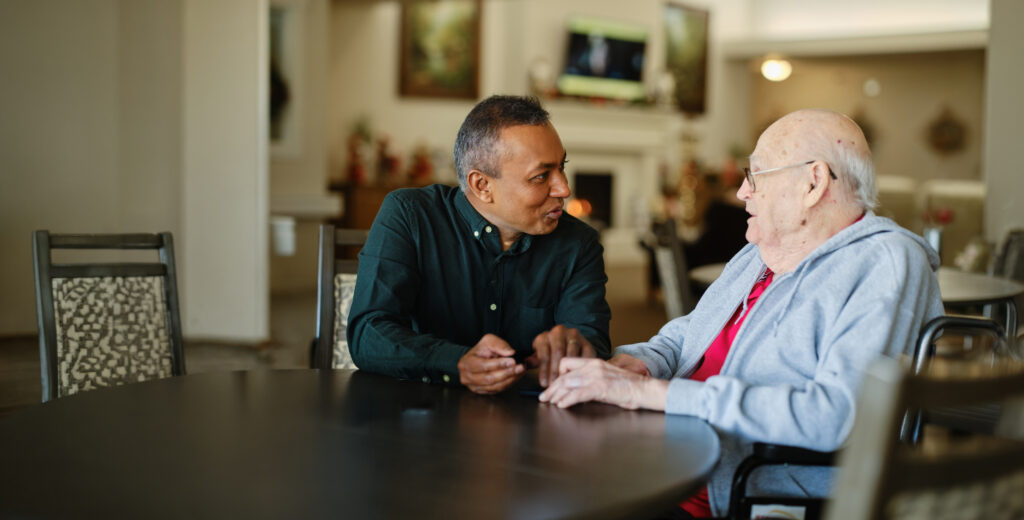
“Dying is a spiritual process. It doesn’t mean it’s a religious one, but it’s a spiritual one,” he says.
His work extends beyond the patient to the people who love them. Sometimes, families need help accepting that a loved one is ready to die, even when they aren’t ready to let go. Michael helps them work through those feelings and find meaningful ways to preserve their loved one’s memories.
 One way is through a legacy book, which gives a person the opportunity to share stories, experiences and wisdom with family members. These books become a lasting connection between generations, helping loved ones remember not only how someone died, but how they lived.
Spiritual care complements the physical and emotional support patients receive. Together, these forms of care help people work through questions about their future, their families and what gives their lives meaning. Spiritual care meets those deeper needs, offering comfort and support in ways that feel right for each person.
Michael knows that support doesn’t end when a patient’s life does. After a patient passes away, he makes condolence calls to family members. A few months ago, he reached out to a husband whose wife had died. Although the man seemed to be coping, Michael sensed he might benefit from a little more support.
Michael visited the man, and they shared a cup of coffee and talked. Later, the husband sent Michael a message to let him know he was doing well. For Michael, that follow-up was meaningful. Taking the time to sit together had helped the man find a sense of closure.
These moments are a reminder that spiritual care is not always about having the right words or answers. Sometimes, it’s about recognizing when someone needs support and being willing to show up.
Donor generosity helps make this work possible. Gifts can provide resources, such as legacy books and communion supplies, and help spiritual counselors offer personalized care that honors each person’s beliefs and traditions. Donor support can also fund continuing education, helping team members deepen their understanding of different faiths and cultures.
A serious illness, a health crisis or another unexpected change can leave people searching for purpose and reassurance. Your generosity helps ensure that, in those moments, people have someone to turn to.
This Spiritual Care Week, you can honor a spiritual counselor who has made a difference in your life, remember a loved one, or make a gift to help more people experience the comfort of spiritual care. Your support ensures that patients, families and team members receive the compassion and understanding they need, when they need it most.
About Ecumen
Ecumen is a nonprofit organization dedicated to providing innovative housing, health care and community-based services that support older adults and strengthen communities. Mission-driven since its founding in 1862, Ecumen’s legacy of service reflects a commitment to honoring those it serves. Ecumen is based in Shoreview, Minn., and provides housing options such as independent living, assisted living, memory care, short-term rehabilitation and long-term care. Its diverse in-home and community-based services include home care, hospice, physical and occupational therapy, and adult day services. For more information, visit www.ecumen.org.