

Savor the Season
SAVOR THE SEASON
Food has a special way of bringing people together. Whether it’s a treasured family recipe, a holiday tradition, or a meal shared with friends, these moments create lasting memories and meaningful connections. This month, we celebrate the role of food, culture, and togetherness during the gathering season.
Food Speaks to All Our Senses.
With November upon us and the gathering season beginning, we find ourselves drawn to the comforting language of food. Food is more than fuel and a meal on a plate; it’s an experience that ignites our senses. Close your eyes and imagine your favorite dish: the rich aroma wafting through the air, the warmth of each bite, and the texture you feel as you savor the flavors. Together, they create a shared experience.
Intuitive eating reminds us to slow down, enjoy the food we love, and honor our body’s natural hunger cues. As the end of the year rolls around, many of us face a wide array of seasonal treats and comforting dishes. Rather than restricting or denying ourselves, we can focus on moderation, savoring each bite and letting our senses guide us. This approach helps us find a balance that nourishes us both physically and emotionally.
Food Unites Us Through Culture
Food has a unique way of uniting us, no matter our background. As we enjoy dishes passed down through generations or explore new flavors, we celebrate our diverse cultures while discovering common ground. Think of the warmth in a shared meal or the stories exchanged around a table.
Culture is the blend of family traditions, values, and foods that tell the story of where we came from. Sharing traditional foods and customs helps preserve cultural heritage and create meaningful connections across generations. Whether it’s enjoying tamales during holiday celebrations, gathering for Lunar New Year meals, preparing Somali dishes for family gatherings, or serving Scandinavian specialties at Christmas, these traditions bring people together and keep cultural stories alive.

✨ Recipe Corner: Pannukakku (Finnish Oven Pancake) — Recipe from Toni’s Grandma Joyce✨
Ingredients:
3 large eggs
1/2 teaspoon salt
1 cup milk
1 cup all-purpose flour
2 Tbsp sugar
1/2 tsp cinnamon
1/4 cup butter
Instructions:
- Preheat oven: Preheat your oven to 425 F (200 C).
- Melt butter: Place the butter in a 9×13 inch baking dish and put it in the preheated oven to melt.
- Mix batter: In a large bowl, whisk together the eggs, milk, flour, salt, and sugar until smooth.
- Pour batter: Once the butter is melted, carefully pour the batter over it.
- Bake: Bake for 20 minutes, or until golden brown. It should turn out high and puffy.
- Serve: Serve immediately, cut into squares. Pannukakku is traditionally served with powdered sugar, berries, or maple syrup.
Serving as Corporate Dietician at Ecumen, Toni Swanson is a Registered Dietitian Nutritionist and a Board-Certified Specialist in Gerontological Nutrition with over a decade of experience working with older adults in long-term care and community settings. With a deep commitment to improving the quality of life for aging populations, Toni blends her clinical expertise in nutrition with a growing passion for clinical herbalism to support holistic well-being.


Nutrition Myths vs Facts
NUTRITION MYTHS VS FACTS
By: Toni Swanson | June 15, 2026
As we transition from spring into summer, it’s natural to notice changes in our routines—including what we eat. This time of year often brings fresh foods, outdoor gatherings, and new nutrition trends. One question I hear frequently is: what’s actually true when it comes to nutrition? While trying new foods and ideas can be exciting, not every trending claim holds up under closer look. This month, we’re breaking down a few common nutrition myths so you can confidently separate fact from fiction and focus on what truly fuels your body.
-
- Myth #1: you need to “detox” after eating unhealthy foods
Your body already has a built-in detox system—your liver, kidneys, and digestive system are working around the clock to do just that. Rather than turning to restrictive cleanses after a “cheat day,” focus on consistent, supportive habits like staying hydrated, eating fiber-rich foods, and including a variety of fruits and vegetables. Occasional indulgences are part of a balanced lifestyle—they don’t undo your progress or prevent you from getting back on track with your goals. - Myth #2: carbohydrates are bad for your body
Carbohydrates are one of the body’s primary macronutrients and a key source of energy for our cells. With busy, active summer days, they’re more important than ever. The key is choosing quality sources—like whole grains, fruits, and vegetables—which provide fiber, sustained energy, and essential nutrients. A balanced approach helps your body perform and feel its best. - Myth #3: organic foods are healthier than non-organic foods
The most important factor is eating a variety of nutrient-rich foods—whether organic or not. Health benefits come from consistently including fruits, vegetables, whole grains, lean proteins, dairy (or alternatives), healthy fats, and plenty of water in your routine. Both organic and conventional foods can be part of a healthy diet.
- Myth #1: you need to “detox” after eating unhealthy foods
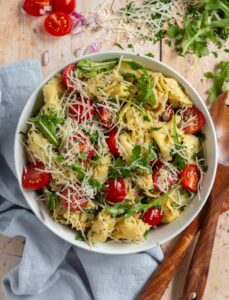
✨ Tortellini Summer Salad ✨
Ingredients:
1 bag tortellini pasta
1 ½ cup cherry tomatoes- cut in half
2 cups spinach
1 cup mozzarella pearls
2 Tbsp pesto
2 Tbsp olive oil
Salt & pepper to taste
Optional: grilled chicken or chickpea beans for extra protein
Instructions:
Cook tortellini according to packaging directions. Mix the rest of ingredients in a big bowl with cooked and cooled pasta. Serve cold—Enjoy!

Serving as Corporate Dietician at Ecumen, Toni Swanson is a Registered Dietitian Nutritionist and a Board-Certified Specialist in Gerontological Nutrition with over a decade of experience working with older adults in long-term care and community settings. With a deep commitment to improving the quality of life for aging populations, Toni blends her clinical expertise in nutrition with a growing passion for clinical herbalism to support holistic well-being.


Power Up With Breakfast
POWER UP WITH BREAKFAST
By: Toni Swanson | April 16, 2026
Breakfast is often quoted as “the most important meal of the day” and for a good reason. It fuels our bodies with essential nutrients to not only function but thrive throughout the day. Fueling our body with adequate nutrition at the beginning of the day provides a handful of benefits:
-
- Boosts Energy
As the name suggests, breakfast “breaks” the overnight “fast”. When we eat breakfast we replenish glucose, protein, and many other nutrients that our bodies need to help keep us alert and focused during the day. - Supports Brain Function
Nutrients like protein and carbohydrates are essential for cognitive performance and can even improve cognition. Omega-3 fatty acids have also been shown to increase concentration and problem-solving skills. - Improves Mood
Studies have shown that consistent blood sugar levels can improve mood and reduce stress. - Aides in Weight Management
Consuming a balanced breakfast helps to boost our metabolism and reduce cravings later in the day.
- Boosts Energy
Now that I’ve talked about the benefits of breakfast, I want to address a very real point. When talking with clients I often hear of challenges that make getting a healthy breakfast difficult. As a mom of two little ones, I completely empathize and understand how busy mornings can be. So, I created a list of tips to overcome some of these hurdles:
-
- Time Constraints
Plan ahead by making some grab-and-go breakfasts like overnight oats, boiled eggs, breakfast burritos, or granola bars/protein shakes. - Lack of Appetite
Start small by consuming a glass of orange juice or a piece of toast. After you feel comfortable with this then gradually increase to a meal with 2-4 food groups for a more balanced breakfast. - Limited Options
Stock your pantry/fridge with a few easy breakfast options that you know you like. Examples could include english muffin with peanut butter, smoothie, oatmeal, yogurt, fruit, boiled egg, power bites, etc..
- Time Constraints
I challenge you this month to think outside the box for breakfast. Use the list below to branch out and try a new breakfast idea—you might surprise yourself with what you like!
| Breakfast Item | Sweet Ingredients | Savory Ingredients |
| Oatmeal/Gritts | Fruit, cinnamon, nuts, maple syrup, coconut, basil | Cheese, onions, shrimp, bacon, egg, rosemary, thyme, cayenne, sausage |
| Yogurt | Fruit, granola, coconut, dark chocolate, peanut butter, basil, mint | Pistachios, tomatoes, chia seeds, olive oil, chickpeas, pesto |
| English Muffin/Toast | Fruit, peanut butter, Nutella, bananas, jelly, honey | Smoked salmon, avocado, mushrooms, bacon, tomatoes, cream cheese, eggs |
| Pancakes/Crepes | Fruit, yogurt, fruit syrups, maple syrup, Nutella, peanut butter | Eggs, plantains, bacon crumbles, mushrooms, potato pancakes |
| Muffins | Fruit, cinnamon, lemon, honey, maple syrup, cinnamon, matcha, chocolate, mint | Cheese, tomatoes, olives, zucchini, nuts & seeds, eggs, spinach, sweet potato, beans |
| Smoothies | Fruit, yogurt, peanut butter, honey, coconut, chocolate, lime/lemon, matcha, mint, basil | Carrots, ginger, seeds & nuts, spinach, kale, avocado, tofu, beets |
Serving as Corporate Dietician at Ecumen, Toni Swanson is a Registered Dietitian Nutritionist and a Board-Certified Specialist in Gerontological Nutrition with over a decade of experience working with older adults in long-term care and community settings. With a deep commitment to improving the quality of life for aging populations, Toni blends her clinical expertise in nutrition with a growing passion for clinical herbalism to support holistic well-being.