
Building Better Connections Through Dementia Education at Ecumen Detroit Lakes
Building Better Connections Through Dementia Education at Ecumen Detroit Lakes
By Darcy DeMars | October 28, 2026
DETROIT LAKES, MN (October 28, 2026) — Dementia changes how a person experiences the world, but it doesn’t change their need for connection, understanding, and compassion. Learning how to meet people where they are can make a meaningful difference — both for those living with dementia and for the people who care for them.
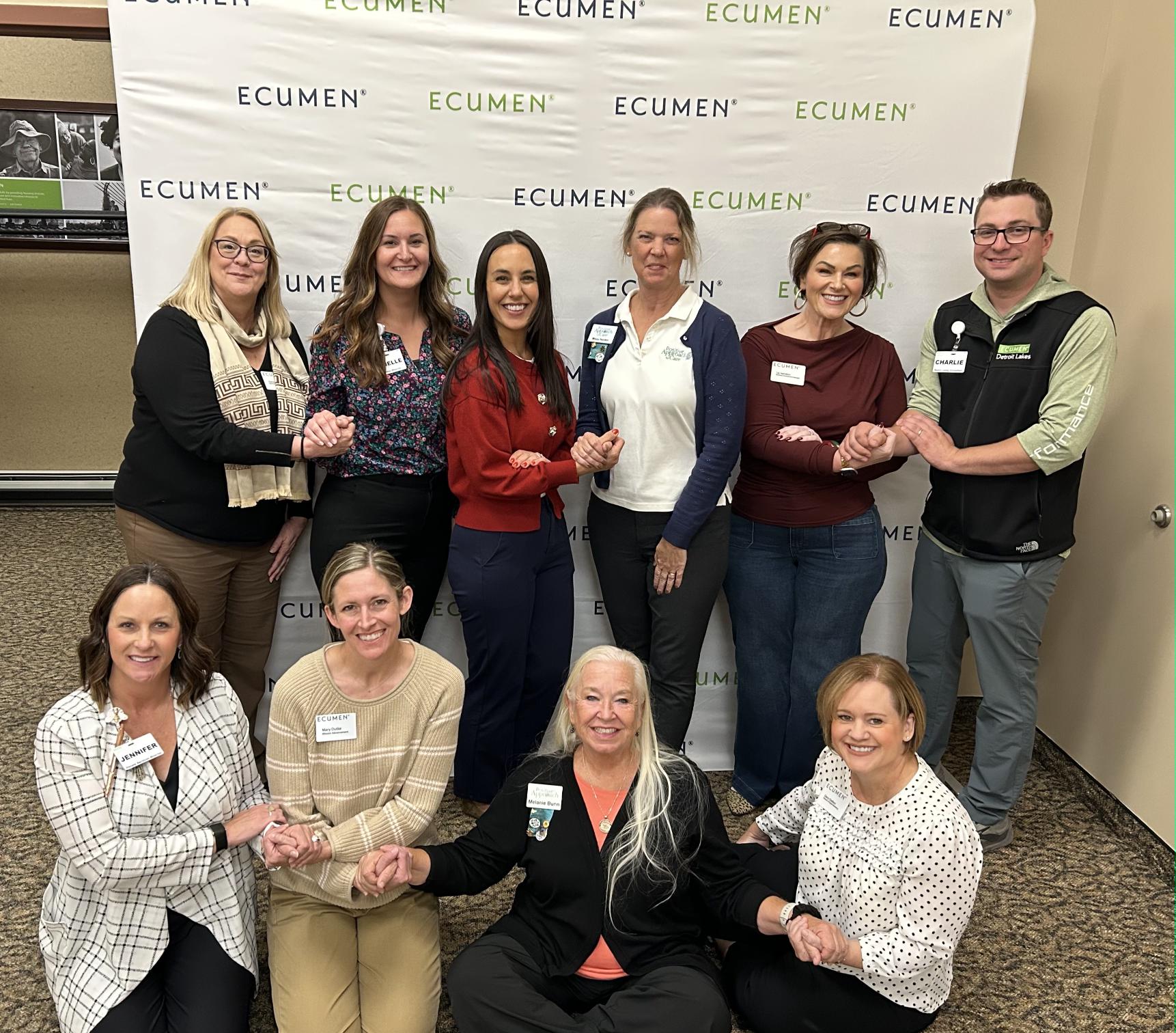
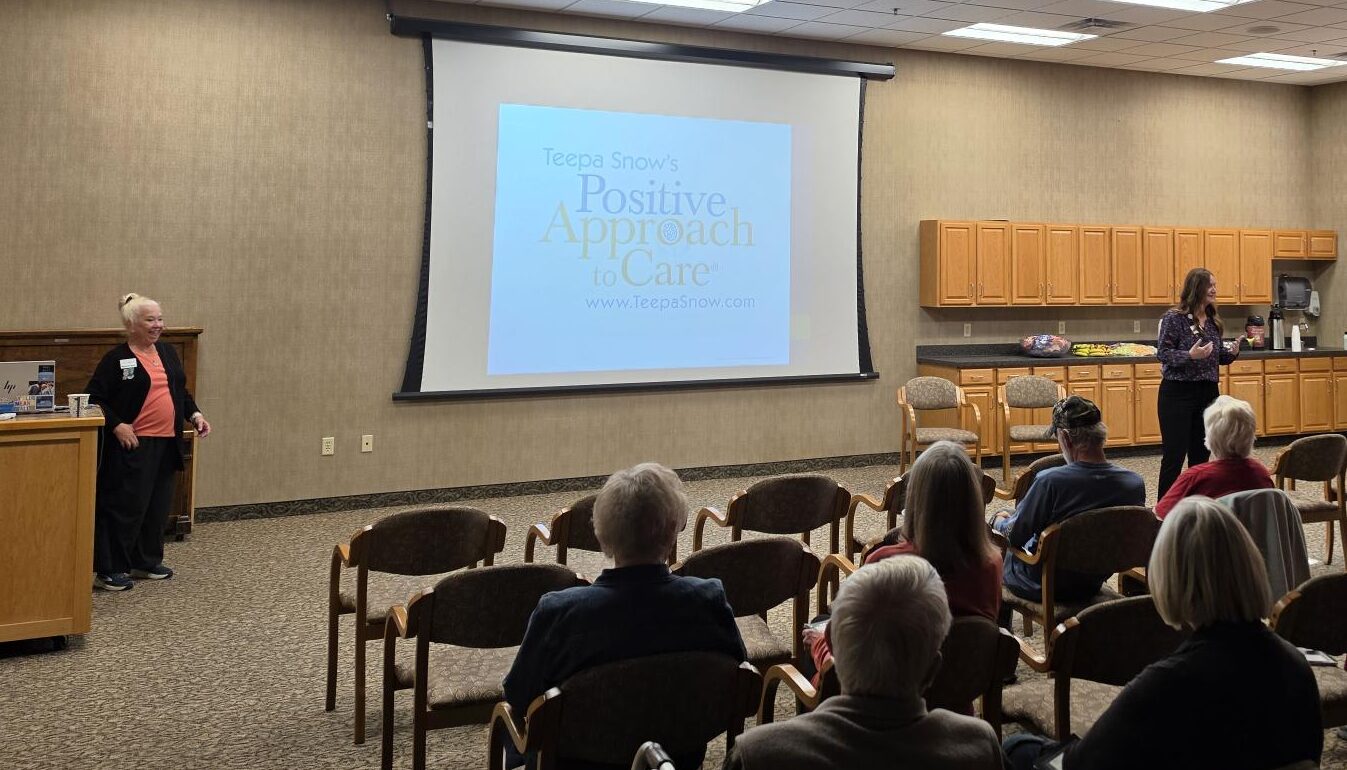 On October 20 and 21, Ecumen Detroit Lakes brought caregivers, families, and community members together for two days of education focused on understanding dementia and building stronger connections with those living with Alzheimer’s disease and other forms of dementia. Both sessions were led by expert trainers Melanie Bunn and Missy Harden from Teepa Snow’s Positive Approach to Care. This training was funded by the New Americans Long-Term Care Workforce grant from the Minnesota Department of Human Services.
The two-day event featured hands-on training for professional caregivers from Ecumen, followed by an interactive presentation for the public, with a special focus on family members navigating the dementia journey with a loved one.
 Learning to See Dementia Differently
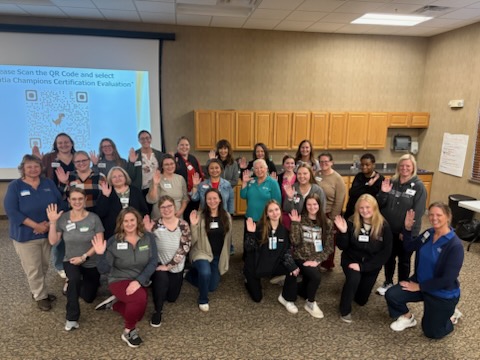
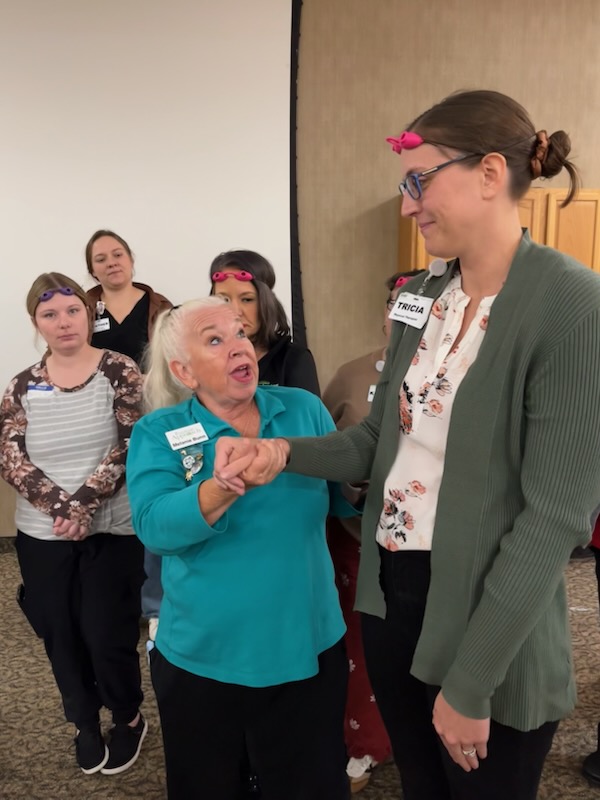
The first day focused on professional caregivers from Ecumen Detroit Lakes and Ecumen’s clinical leadership team, offering a full day of hands-on training and workshop activities designed to strengthen dementia care skills. The training emphasized the importance of understanding how dementia affects a person’s abilities and learning practical ways to adapt care to their changing needs.
For caregivers, this means looking beyond a person’s words or actions to consider what they may be experiencing. When familiar abilities change, everyday tasks and interactions can become more challenging. Learning to recognize those changes can help caregivers respond with greater patience, flexibility, and understanding.
Bobbi Koons, Ecumen’s Nurse Educator said, “The class was wonderful. Relating residents’ stages of dementia to ‘Gem States’ made them easier to understand. We practiced recognizing each person’s ‘Gem’ and meeting them where they are, helping them maintain a sense of control and do what they can for themselves—even as their care needs increase. Each ‘Gem’ is a gift that reflects who they are and where they are in their dementia journey.”
 And Ecumen Detroit Lakes Registered Nurse Heather Spier agreed, “The workshop was engaging the entire day and I learned valuable, easy to apply skills to help our residents living with dementia.”
The following day, Ecumen Detroit Lakes opened the conversation to the broader community with a two-hour interactive presentation titled Communication and Dementia. The session explored how changes in the brain can affect communication and offered practical strategies for connecting with a person living with dementia.
One attendee shared, “This training was so eye-opening for me. I understand more now about how the brain takes in and stores information, and how and why sometimes it doesn’t. The tips for how to communicate with my mom, especially the empathetic listening, are things I look forward to trying right away.”
Small Changes Can Make a Big Difference
One of the important messages of dementia education is that effective communication often requires caregivers to change their approach.
Simple strategies can help make interactions more comfortable and successful. Using fewer words, offering visual cues, allowing extra time for a response, and presenting one step at a time can help reduce frustration. Building a connection before attempting a task can also make a difference.
Trainer Melanie pointed out, “Dementia doesn’t ruin relationships; the way we act does.” And learning how to act was taught and practiced during all sessions.
When a conversation or interaction becomes difficult, stepping back and trying a different approach may be more helpful than repeating the same words or instructions.
Just as importantly, caregivers can learn to look beyond what a person says or does to consider the feelings or needs they may be communicating. Approaching these moments with empathy and curiosity can help preserve a sense of dignity and strengthen trust.
For families, these insights can offer a new perspective on everyday interactions with someone they love. For professional caregivers, they reinforce the importance of continually adapting care to the person, rather than expecting the person to adapt to us.
Supporting Caregivers, Families, and the Community
A dementia diagnosis can bring uncertainty and questions for everyone involved. Education can help caregivers and families better understand what is happening, recognize changing abilities, and discover new ways to support meaningful connection.
By bringing professional caregivers and community members together for these learning opportunities, Ecumen Detroit Lakes reinforced its commitment to supporting people living with dementia and the individuals who walk alongside them.
At Ecumen, caring for older adults means recognizing the person behind the diagnosis — their history, preferences, abilities, and need to feel understood. Continued learning helps caregivers put that person-centered approach into practice, even as dementia changes the way a person communicates and experiences the world.
Because sometimes, better care begins with a simple but powerful shift: instead of asking how we can get someone to understand us, asking how we can better understand them.
 To learn more about Ecumen Detroit Lakes and the support available to older adults living with Alzheimer’s or dementia and their families, visit ecumen.org/detroit-lakes.
To schedule a tour, contact Charlie Newland at CharlesNewland@ecumen.org or 218-844-8340.
About Ecumen
Ecumen is a nonprofit organization dedicated to providing innovative housing, health care and community-based services that support older adults and strengthen communities. Mission-driven since its founding in 1862, Ecumen’s legacy of service reflects a commitment to honoring those it serves. Ecumen is based in Shoreview, Minn., and provides housing options such as independent living, assisted living, memory care, short-term rehabilitation and long-term care. Its diverse in-home and community-based services include home care, hospice, physical and occupational therapy, and adult day services. For more information, visit www.ecumen.org.
