
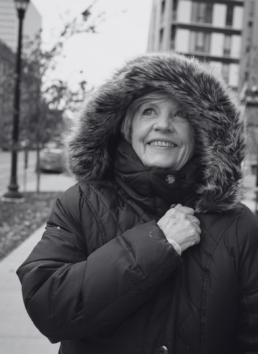
Winter Wellness Tips for Older Adults to Stay Healthy and Connected During the Holidays
By: Ecumen | December 19, 2025
When the weather turns cold and the days grow short, winter can feel magical — and a little challenging, especially for older adults. Icy sidewalks, dry indoor air, and busy holiday schedules can strain your body, your mood, and your routines. Protecting yourself from the cold, preventing illness, and actively fighting loneliness are crucial parts of a proactive winter wellness strategy. By taking simple, consistent steps, you can enjoy a safe, happy, and connected holiday season.
Why Winter Hits Older Adults Harder
As we age, our bodies respond differently to cold, illness, and stress. That doesn’t mean winter has to be unsafe, but it does mean you should plan.
Here are a few reasons older adults should take winter especially seriously:
- Cold-Related Illnesses: In 2023, exposure to extreme cold or hypothermia caused 1,024 deaths in the United States, primarily in January, February, November, and December. Older adults are disproportionately affected.
- Higher Risk From Flu and Other Viruses: Adults 65 and older have a higher risk of serious complications, hospitalizations, and death from flu. The Centers for Disease Control and Prevention (CDC) recommends special higher-dose or adjuvanted flu vaccines for this age group because they are more effective than standard shots.
- Falls on Ice and Snow: Falls are the leading cause of injury among older adults, and slippery winter surfaces pose a predictable risk.
- Loneliness and Isolation: Research links chronic loneliness to higher rates of depression, cognitive decline, heart disease, and premature death. In fact, the 2023 US Surgeon General’s report warns that social disconnection can shorten a person’s life as much as smoking 15 cigarettes a day, making it as dangerous as other well-known risk factors, including obesity and inactivity.
Stay Warm and Safe Indoors
Older adults lose body heat faster than younger people, increasing the risk of hypothermia, even indoors. You must keep your home warm and take precautions against common winter hazards.
- Set a Safe Temperature: Maintain an indoor temperature of at least 68 degrees Fahrenheit (20 degrees Celsius). Even temperatures between 60 and 65 degrees can lead to hypothermia in older adults, according to the National Institute on Aging.
- Dress in Layers: Wear loose, warm layers, even when relaxing inside. For example, wear socks and slippers, use extra blankets when sleeping, and have a sweater or fleece jacket readily available. If your clothes become damp, change out of them as soon as possible.
Maintain Physical Activity and Nutrition
Don’t let cold weather stop you from exercising and eating well. Regular physical activity boosts energy and mood, while a healthy diet supports a strong immune system.
- Move Exercise Indoors: The CDC recommends adults get at least 150 minutes of moderate-intensity aerobic activity per week. When outdoor conditions make walking unsafe, shift your routine inside. Consider walking laps in a mall, using indoor walking videos, or trying seated chair exercises to maintain strength and flexibility.
- Fuel Your Body: Good nutrition supports immunity and helps regulate body temperature. Ensure your diet includes plenty of fruits, vegetables, and lean protein.
- Prioritize Hydration: Even if you don’t feel thirsty, you still lose fluids through breathing and sweating in the cold. Drink plenty of water, and use warm beverages, such as herbal tea or broth, to stay hydrated.
Boost Your Immune System
Winter brings together indoor air, crowded gatherings, and respiratory viruses. Protecting your immune system is one of the best winter wellness strategies.
Early data from the 2024-2025 flu season show that flu vaccines reduced the risk of flu-related outpatient illness and hospitalization among adults 65 and older by roughly 38% to 57 %, depending on the study and setting. Even when vaccines are not perfect, they still reduce the severity of illness and the risk of hospitalization.
Flu vaccination coverage among older adults often starts low at the beginning of the season. For example, as of late September 2025, only about 12.7% of Medicare fee-for-service beneficiaries 65 and older had received a flu vaccine, underscoring the need to catch up before winter peaks.
Stay Up to Date on Vaccines
For adults 65 and older, health experts recommend:
- A flu vaccine every year, preferably a higher dose or adjuvanted version for older adults.
- An updated COVID-19 vaccine, following CDC guidance for your age and health conditions.
- An RSV vaccine for many adults 60 and older, especially those with underlying conditions, based on a discussion with their clinician.
- Pneumococcal vaccines to help prevent certain types of pneumonia, if your clinician recommends them.
Stay Connected: Protect Your Emotional Health During the Holidays
The holidays are a time for connection, yet feelings of loneliness can intensify during this season. Experts estimate that nearly one-fourth of adults ages 65 and older are socially isolated, a condition that poses serious health risks similar to smoking or obesity (Psychology Today).
- Make Communication a Priority: Don’t wait for others to reach out; initiate a connection. Set aside time for regular phone calls with friends and family, and explore video chat options, such as FaceTime or Zoom, to stay in touch with loved ones, especially grandchildren.
- Get Involved: Loneliness is strongly linked to poorer health because passive activities like watching TV don’t create connection — but active hobbies do. Look for ways to connect with others through your interests. For example, join a book club, take an adult education class, or volunteer for a local cause, all of which help you foster new relationships.
- Welcome New Faces: If a family member or caregiver is hosting a holiday gathering, ask them to make accommodations to ensure your comfort and full inclusion. If you live alone, consider reaching out to neighbors or community groups. The National Council on Aging suggests contacting the Eldercare Locator for resources or calling The Friendship Line for a caring conversation.
Enjoy a Warm, Joyful Holiday Season
- Call your clinician to ask which vaccines you should receive before peak winter.
- Audit your home for cold spots and fall hazards, and fix at least one thing this week.
- Reach out to one person today to schedule a call, a visit, or a shared activity during the holidays.
Your health, safety, and sense of connection matter — not just in winter but all year long.
About Ecumen
Ecumen is a nonprofit provider, developer and operator of award-winning living spaces and innovative services for older adults. Mission-driven since its founding in 1862, Ecumen’s legacy of service reflects a commitment to honoring those it serves. Ecumen is based in Shoreview, Minn., and operates properties and services include home care, hospice, physical and occupational therapy, and adult day services throughout Minnesota and neighboring states. For more information, visit www.ecumen.org.