Ecumen Announces Dr. Cyrus Batheja as New President & CEO
Ecumen Announces Cyrus Batheja as New President & CEO
By Angie Andresen | March 10, 2026
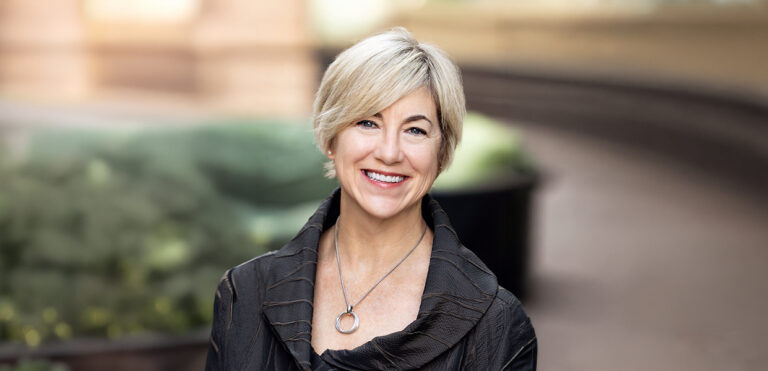
SHOREVIEW, MN (March 10, 2026) — Ecumen, a nonprofit provider of living spaces and services for older adults, today announced that its Board of Trustees has unanimously selected Dr. Cyrus Batheja, EdD, MBA, RN, FAAN, as the organization’s next president and chief executive officer.
A registered nurse and nationally recognized health care leader, Batheja brings more than two decades of experience advancing care models that integrate health care, housing and community services for vulnerable populations.
“Cyrus brings to Ecumen deep experience in health care, which first began at the bedside in senior living,” said Marcia Kull, chair of Ecumen’s Board of Trustees. “He is an entrepreneurial leader with a commitment to creating dignified living spaces and care with a focus on the people we serve and those who care for them. His experience, strategic vision and deep commitment to Ecumen’s mission-driven work are perfectly suited to guide us in this rapidly changing health care landscape.”
“The future of care must integrate innovative housing, person-centered care, and community-based support,” Batheja said. “Ecumen and our nearly 3,000 team members are uniquely positioned to create homes we would be proud to live in and provide care we would be grateful to receive.”
Prior to joining Ecumen, Batheja held senior leadership roles at UnitedHealthcare and Optum, including Chief Growth Officer of the MyConnections business, where he led large‑scale national initiatives addressing social drivers of health and improving outcomes for complex patient populations. As National Vice President of Nursing at OptumRx, he led a team of over 1,500 nurses delivering critical therapies across the country. He is also the co‑founder of Batheja Supportive Living Services.
“Ecumen has a remarkable legacy of serving older adults with dignity and compassion,” Batheja said. “I am honored to join this organization and work alongside the dedicated team members who bring that mission to life every day.”
He began his health care career after earning an Associate of Science degree from Normandale Community College. He later earned his Bachelor of Science in Nursing and MBA from Augsburg University and his Doctorate from the University of St. Thomas.
Batheja will officially start on March 23, 2026, and succeeds outgoing president & CEO, Shelley Kendrick, who joined Ecumen in 2012 and assumed the CEO role in 2019 after serving as Ecumen’s chief operating officer. In September 2025, she announced her retirement from Ecumen.
Cyrus Batheja - Bio
Dr. Cyrus Batheja serves as President and Chief Executive Officer of Ecumen, a nonprofit organization dedicated to providing innovative housing, health care, and community‑based services that support older adults and strengthen communities.
A registered nurse and experienced health care executive, Cyrus brings more than two decades of leadership experience focused on advancing integrated care models that connect health care, housing, and community‑based services. His work has consistently centered on improving outcomes for complex and vulnerable populations while strengthening the systems that support them.
Cyrus began his health care career after earning an Associate of Science degree from Normandale Community College, which enabled him to sit for the NCLEX and become a registered nurse. He later earned his Bachelor of Science in Nursing with a Public Health Licensure and MBA from Augsburg University and his Doctorate from the University of St. Thomas.
Prior to joining Ecumen, Cyrus held senior leadership roles within UnitedHealthcare and Optum, divisions of UnitedHealth Group. As National Vice President of Nursing at OptumRx, he led a team of more than 1,500 nurses delivering critical therapies and care management programs to patients across the United States. His work included the development of large‑scale clinical and population health initiatives designed to improve care access, reduce costs, and enhance patient and provider experiences.
Cyrus is also the co‑founder of Batheja Supportive Living Services, a community‑based housing and care organization serving individuals with complex medical and social needs. He was inducted as a Fellow of the American Academy of Nursing in 2022 and serves on the Board of Regents at Augsburg University.
He has received numerous recognitions including the UnitedHealth Group Sage of Clinical Service Award, the March of Dimes Nurse of the Year Award, and recognition by Minneapolis/St. Paul Magazine for Administrative Nursing Leadership.
Cyrus often describes his leadership philosophy as grounded in a simple principle: creating homes we would be proud to live in and providing care we would be grateful to receive.
NATIONAL NUTRITION MONTH — WEEK 1
By: Toni Swanson | March 09, 2026
March is National Nutrition Month, and this year’s theme—“Discover the Power of Nutrition”—is all about simple, everyday choices that help us feel our best. This month we’ll be sharing weekly highlights featuring practical nutrition tips and spotlighting on one of our amazing Ecumen dietitians—plus their favorite healthy recipe! Are you ready to Discover the Power of Nutrition with us? 🌿🥗💪
Power Your Day
Fueling your body well starts with simple, doable choices. When we build small habits into our day, they add up to powerful benefits over time. Here are three things you can do to start powering your day right:
-
- Choose foods from all food groups
Balanced meals that include fruits, vegetables, whole grains, protein foods, and dairy help support steady energy and overall wellbeing. - Mix it up & taste the rainbow
Eating a variety of foods and a variety of colors provides different vitamins, minerals, and nutrients—keeping meals interesting and helping your body get what it needs. - Skip the fad diets
Trendy diets often leave out important nutrients or create strict rules that aren’t sustainable. A balanced, flexible eating pattern is far more effective (and enjoyable!) in the long run.
- Choose foods from all food groups
✨ Team Member Spotlight: Emily Diekmann
Emily is our incredible Dietitian at Ecumen Detroit Lakes, and we’re so grateful to have had her on our team for a little over two years. In her role, she seamlessly leads the clinical nutrition work and supports the culinary team, and she even helps cover our Ecumen North Branch community remotely. Emily is our go‑to expert for tube feeding questions and someone we can always count on when new projects come up.
If you’ve ever had the chance to meet Emily, you know she brings a calm, friendly, and reassuring presence—something our residents truly appreciate. She was excited to share a favorite recipe that’s a staple in her home—Crunchy Cashew Thai-Inspired Quinoa Salad. Make sure to check it out and let us know if you give it a try!


Serving as Corporate Dietician at Ecumen, Toni Swanson is a Registered Dietitian Nutritionist and a Board-Certified Specialist in Gerontological Nutrition with over a decade of experience working with older adults in long-term care and community settings. With a deep commitment to improving the quality of life for aging populations, Toni blends her clinical expertise in nutrition with a growing passion for clinical herbalism to support holistic well-being.
About Ecumen
Ecumen is a nonprofit provider, developer and operator of award-winning living spaces and innovative services for older adults. Mission-driven since its founding in 1862, Ecumen’s legacy of service reflects a commitment to honoring those it serves. Ecumen is based in Shoreview, Minn., and operates properties and services include home care, hospice, physical and occupational therapy, and adult day services throughout Minnesota and neighboring states. For more information, visit www.staging-ecumenv2.kinsta.cloud.
Breaking Down the New Dietary Guidelines
BREAKING DOWN THE NEW DIETARY GUIDLINES
By: Toni Swanson | February 13, 2026
With constant nutrition headlines and changing food trends, it can be difficult to know which guidance to follow. Reviewing the primary resources that shape federal nutrition recommendations can help provide clarity. Two key resources are The Dietary Guidelines for Americans (DGA) and The Scientific Report of the Dietary Guidelines Advisory Committee (DGAC). One provides the scientific groundwork, and the other becomes the final guidance that the public sees–both aim to support healthier eating patterns across the population.
Understanding where these guidelines align and differ helps translate national recommendations into practical, everyday nutrition decisions.

SHARED FOCUS AREAS
Prioritizing Whole, Nutrient-Dense Foods
Both the DGA and DGAC emphasize choosing foods that provide strong nutritional value. These include vegetables, fruits, whole grains, lean proteins, nuts, seeds, and healthy fats. Both resources recommend limiting highly processed foods, refined carbohydrates, and foods high in added sugars to support overall diet quality.
Improving Diet Quality to Support Long-Term Health
Both documents highlight the role of balanced, nutrient-rich dietary patterns in supporting overall health and reducing the risk of nutrition-related chronic conditions. The focus remains on consistent eating patterns rather than individual nutrients.
KEY DIFFERENCES IN GUIDANCE
Protein
- DGAC: Recommends consuming a variety of protein sources without setting elevated intake targets.
- DGA: Encourages higher overall protein intake and highlights both animal-based and plant-based protein options.
Saturated Fat
- DGAC: Recommends limiting saturated fat intake to less than 10 percent of total daily calories and encourages low-fat dairy products and lean meats.
- DGA: Maintains the same recommended limit while allowing greater flexibility in foods that naturally contain saturated fat, including dairy and meats.
WHAT THIS MEANS AT ECUMEN
At Ecumen, our nutrition approach is rooted in evidence-based practice, resident choice, and balance. At this time, no major menu changes are being made, as current menus already align with established nutrition guidelines and support health, enjoyment, and individual preferences.
Ecumen communities will continue to offer daily specials, snacks between meals, and an Always Available menu to provide flexibility and choice. Menus include a variety of appropriately portioned protein options, with protein-rich snacks available outside of meals.
Resident feedback remains central to the menu planning process through monthly food committees, tasting tables, and ongoing consideration of cultural traditions and personal favorites.
A BALANCED APPROACH TO NUTRITION
Nutrition is not one-size-fits-all. Ecumen remains committed to supporting health, dignity, choice, and enjoyment at every meal, while continuing to align with evidence-based nutrition guidance and the evolving needs of the residents we serve.

Serving as Corporate Dietician at Ecumen, Toni Swanson is a Registered Dietitian Nutritionist and a Board-Certified Specialist in Gerontological Nutrition with over a decade of experience working with older adults in long-term care and community settings. With a deep commitment to improving the quality of life for aging populations, Toni blends her clinical expertise in nutrition with a growing passion for clinical herbalism to support holistic well-being.
About Ecumen
Ecumen is a nonprofit provider, developer and operator of award-winning living spaces and innovative services for older adults. Mission-driven since its founding in 1862, Ecumen’s legacy of service reflects a commitment to honoring those it serves. Ecumen is based in Shoreview, Minn., and operates properties and services include home care, hospice, physical and occupational therapy, and adult day services throughout Minnesota and neighboring states. For more information, visit www.staging-ecumenv2.kinsta.cloud.
Tips and Tricks for Remaining Independent in Your Home
By: Ecumen | February 9, 2026
Aging in place isn’t what keeps most people up at night. What matters is how life feels today. They picture the quiet comfort of morning coffee in a kitchen they’ve stood in for years. They picture neighbors who know their name, a favorite chair that feels like home, and the simple freedom to live on their own terms.
That sense of independence matters. It ties into dignity, confidence, and the comfort of knowing you still get to decide how your day unfolds. Keeping it doesn’t require a dramatic overhaul or a loss of control. It takes a few thoughtful choices, a little planning, and changes that work quietly in the background to make everyday life safer, easier, and less stressful.
National Senior Independence Month, recognized every February, is an excellent reminder that independence doesn’t have to fade with age. It shines a light on the many resources available to help older adults continue living full, meaningful lives on their terms.
While it’s true that we may need a little more support as we get older, independence can still look vibrant and empowering.
Most people want that future for themselves. A 2024 AARP survey found that 75% of adults ages 50 and older want to remain in their current home as they age, and that number speaks volumes. Wanting to stay home means wanting to stay connected to routines, memories, and the life you’ve built.
While independence feels natural, maintaining it requires a proactive plan. Use these practical tips to ensure your home remains a safe, functional sanctuary for years to come.
How Falls Can Affect Independence
Falls don’t just bruise pride. They can derail routines, limit mobility, and shake confidence fast. The Centers for Disease Control and Prevention reports that over 14 million (about 1 in 4) adults 65 and older fall each year.
Try a Simple Fall-Risk Sweep Today
Walk your home like a guest who’s never seen it before, and look for the usual troublemakers:
- Trip hazards: loose rugs, cords, clutter in walkways
- Lighting gaps: dim hallways, dark stairs, no night lights
- Wobbly support: shaky railings, slick steps, unstable chairs
The National Institute on Aging recommends basics such as good lighting on stairs and grab bars near toilets and in the tub or shower.
Embrace Smart Home Technology
Technology no longer feels like science fiction; it serves as a vital tool for independence. Smart devices act as an extra set of hands and eyes, providing peace of mind for both you and your family:
- Voice-Activated Assistants: Devices such as Amazon Alexa and Google Home let you set medication reminders, make hands-free calls, and control your thermostat with your voice.
- Video Doorbells: See who stands at your front door without getting up. This layer of security protects against solicitors and improves overall home safety.
- Smart Locks: Keyless entry systems let you lock or unlock doors via a smartphone app, which is helpful if you need to let in a caregiver or family member.
Modify the Bathroom for Functionality
The bathroom presents the highest risk for slips and falls. Simple modifications transform this high-traffic area into a much safer space:
- Install Grab Bars: Securely bolt grab bars into wall studs near the toilet and inside the shower. Avoid using suction cup bars, as they often fail under pressure.
- Add a Walk-In Shower: Removing the high ledge of a traditional bathtub significantly lowers the risk of tripping.
- Use Non-Slip Mats: Place high-traction mats inside the tub and on the floor outside the shower to catch moisture.
Prioritize Physical and Social Activity
- Focus on Balance: Engage in low-impact exercises such as tai chi or chair yoga. These movements strengthen core muscles and improve stability. The National Institute on Aging suggests that regular exercise helps maintain the bone density necessary for independent living.
- Stay Connected: Connection is part of being human, and it becomes even more critical as we age. For many seniors, a sense of community brings purpose and joy. Without it, loneliness can take hold, affecting not just emotional well-being but also mental and physical health. Research shows that isolation increases the risk of depression, memory loss, and earlier health decline. Invite neighbors over for coffee, join a local gardening club, or use video chats to stay in touch with grandchildren.
- Prep Meals for Success: Nutritious eating fuels your energy levels. Spend one afternoon a week prepping healthy meals so you can eat well even when you feel tired.
Consider In-Home Services
Another way to strengthen your independence or support the autonomy of someone you love is with a full range of medical and nonmedical care services tailored to individual needs and delivered right where you call home. Even the slightest bit of support, such as Ecumen Home Care, can make a meaningful difference, giving you more time to enjoy what matters most and to get the care you need to feel your best.
Plan for the Future Today
Home independence rarely happens by accident. It requires honest assessments and small, incremental changes. By addressing safety hazards and embracing helpful technology now, you create a sustainable environment for your future self.
Maintaining your home’s functionality preserves your freedom, your dignity, and your peace of mind.
About Ecumen
Ecumen is a nonprofit provider, developer and operator of award-winning living spaces and innovative services for older adults. Mission-driven since its founding in 1862, Ecumen’s legacy of service reflects a commitment to honoring those it serves. Ecumen is based in Shoreview, Minn., and operates properties and services include home care, hospice, physical and occupational therapy, and adult day services throughout Minnesota and neighboring states. For more information, visit www.staging-ecumenv2.kinsta.cloud.
Honoring Life, Love, and Memory at Ecumen Meadows
By Corrine McCallum | January 28, 2025
Over the past few months, the Ecumen Meadows memory care has experienced a season of profound loss. Since November, six beloved residents have passed away, each one deeply cherished by team members and fellow residents alike. In a close-knit neighborhood of just 14 memory care apartments, every loss is felt deeply.
“We have had six deaths in memory care since November,” shared Denise Erwin, Senior Living Consultant at Ecumen Meadows. “So, besides the heartbreak of losing residents we dearly loved, we’ve also lost nearly half of our occupancy. It has been an incredibly heavy season.”
Denise, who has been part of the Ecumen Meadows community for more than seven years, explained that opportunities to welcome new residents into memory care are rare.
“In all my years here, only once have I been able to offer a memory care apartment to someone who didn’t already live with us in assisted living,” she said. “Right now, none of our assisted living residents need memory care, and when I reached out to our external waitlist, every family had either found placement elsewhere, experienced a loss, or simply wasn’t ready yet.”
In the midst of this challenging time, a moment of unexpected beauty and compassion brought comfort and renewed perspective.
On a bitterly cold Saturday morning, Denise attended the visitation for a beloved memory care resident. Attendance was small—about 15 to 20 people—but something remarkable stood out.
“There weren’t many people there because of the cold, but the reception line was moving so slowly,” Denise recalled. “When I finally made my way up, I realized why.”
At the center of the room sat a stunning scrapbook documenting this resident’s life in memory care, page after page of photos, memories, and moments that captured his time at Ecumen Meadows. The scrapbook had been lovingly created by Claire, one of the community’s Resident Assistants.
“I had no idea she had done this,” Denise said. “It was incredible. Beautiful, thoughtful, and so full of heart.”
The scrapbook quickly became the highlight of the visitation, drawing family members in and offering comfort during an emotional goodbye.
“The family was so touched,” Denise shared. “I can’t even find the words to describe how meaningful it was.”
When Denise returned to work and thanked Claire for the scrapbook, she was stunned once again.
“She told me she’s made one for every memory care resident,” Denise said. “That just stopped me in my tracks.”
Claire’s compassion extends far beyond scrapbooks. She is known for her creativity, artistic eye, and dedication to making the Meadows feel warm and welcoming through seasonal décor, engaging activities, and thoughtful details that bring joy to residents’ daily lives.
“She is a really special person,” Denise added. “She pours her heart into what she does, and it shows in everything, from the environment she creates to the connections she builds with residents.”
For Denise, the experience reaffirmed what makes Ecumen Meadows truly special.
“This is who we are,” she said. “This is the level of care, love, and dignity our residents receive every single day.”
As Ecumen Meadows looks ahead and prepares to welcome new residents into memory care, stories like this reflect the heart of the community, one rooted in compassion, connection, and honoring each individual’s life.
Families searching for memory care are not just choosing a place to live. They are choosing a community that remembers, celebrates, and truly cares.


About Ecumen
Ecumen is a nonprofit provider, developer and operator of award-winning living spaces and innovative services for older adults. Mission-driven since its founding in 1862, Ecumen’s legacy of service reflects a commitment to honoring those it serves. Ecumen is based in Shoreview, Minn., and operates properties and services include home care, hospice, physical and occupational therapy, and adult day services throughout Minnesota and neighboring states. For more information, visit www.ecumen.org.
Blood Sugar Balance After the Holidays

Blood Sugar Balance After the Holidays
By: Toni Swanson | January 21, 2026
The holiday season often brings more sweets, special treats, and changes in our usual nutrition and activity routines, and that’s perfectly okay. As January arrives, many of us appreciate the opportunity to return to steady, nourishing habits that help us feel our best.
One helpful focus for the new year is blood sugar balance. Balanced blood sugars support energy, mood, and overall well-being at every stage of life. When blood sugar levels are more stable, you may notice benefits such as:
- More consistent energy throughout the day
- Improved mood and focus
- Fewer feelings of shakiness or fatigue
- Support for heart and metabolic health
Why Protein and Fiber Matter
Two key nutrients play an important role in blood sugar balance: protein and fiber.
Protein helps slow digestion and keeps you feeling satisfied longer, while fiber slows the rise in blood sugar after meals and supports digestive health. Together, they help create meals and snacks that provide steady energy rather than quick spikes and crashes.
Below are a few practical ways to support blood sugar balance as you head into the new year.
1. Aim for Consistent Meals
Eating regularly—about every 3–4 hours—can help prevent large swings in blood sugar. Skipping meals or waiting too long to eat may lead to low energy, irritability, or overeating later in the day.
2. Pair Carbohydrates with Protein
Carbohydrates provide energy, and protein helps slow digestion and keep blood sugar levels steadier. Some simple, balanced pairings include:
- Fruit with yogurt
- Toast with peanut butter
- Crackers with cheese
- Oatmeal topped with nuts or seeds
3. Include Fiber-Rich Foods
Fiber helps slow the rise in blood sugar and supports digestion. Good sources include vegetables, fruits, whole grains, beans, and lentils. Aim to include at least one fiber-rich food at every meal.
4. Enjoy Sweets Mindfully
There’s room for sweets—especially when enjoyed intentionally. Having dessert alongside a meal rather than on an empty stomach can help reduce blood sugar spikes. Slowing down and savoring each bite can also increase satisfaction and mindfulness.
5. Stay Hydrated
Dehydration can sometimes feel like hunger or fatigue. Water, milk, soups, and unsweetened teas all count and are especially important during the winter months.
A Balanced Approach for the New Year
Balanced eating doesn’t mean giving up your favorite foods. It means supporting your body with regular meals, adequate protein, and enjoyable choices that help you feel energized and satisfied. Small, steady habits can make a meaningful difference—no “diet” required.
Here’s to a healthy and nourishing 2026!

About the Author
Serving as Corporate Dietician at Ecumen, Toni Swanson is a Registered Dietitian Nutritionist and a Board-Certified Specialist in Gerontological Nutrition with over a decade of experience working with older adults in long-term care and community settings. With a deep commitment to improving the quality of life for aging populations, Toni blends her clinical expertise in nutrition with a growing passion for clinical herbalism to support holistic well-being.
About Ecumen
Ecumen is a nonprofit provider, developer and operator of award-winning living spaces and innovative services for older adults. Mission-driven since its founding in 1862, Ecumen’s legacy of service reflects a commitment to honoring those it serves. Ecumen is based in Shoreview, Minn., and operates properties and services include home care, hospice, physical and occupational therapy, and adult day services throughout Minnesota and neighboring states. For more information, visit www.staging-ecumenv2.kinsta.cloud.
How to Respectfully Bring Up Senior Living with Loved Ones

How to Respectfully Bring Up Senior Living with Loved Ones
By: Ecumen | January 12, 2026
If you’ve been rehearsing the conversation about how to bring up senior living with your loved one, you are not alone. It’s rarely an easy conversation. You navigate an emotional tightrope, trying to protect their safety while honoring their independence.
Many families wait for a crisis — a fall, a missed medication dose, or a sudden illness — to start the conversation. However, waiting for an emergency often strips your loved one of the very thing they fear losing most: their freedom of choice. By starting the dialogue early and focusing on partnership rather than placement, you can navigate this transition with dignity and love.
Continue reading for a practical, respectful way to start the conversation without making it feel like an ambush, a lecture, or a loss of control.
Why the Conversation Matters
Conversations about long-term care go beyond costs and logistics. They center on love, dignity, and making sure your loved ones get the support they deserve. Most families will face these decisions at some point, and early planning can reduce stress, protect relationships, and create clarity instead of crisis. When you talk now, you give your loved one a voice in their future and help ensure their next chapter feels stable, respected, and secure.
Knowing this information helps you understand the stakes and approach the subject feeling more prepared.
Why Timing and Tone Matter
According to the Centers for Disease Control and Prevention, more than one in four older adults reports falling each year, resulting in roughly 37 million falls annually. While safety is a primary driver for families, seniors often view senior living as a loss of freedom.
To bridge this gap, approach the topic as a lifestyle upgrade rather than a medical necessity. Focus on the burdens they can shed such as lawn care, home maintenance, and the isolation that often comes with aging in place. Recent AARP research from December 2025 shows that 40% of US adults aged 45 and older report feeling lonely, underscoring the importance of the social connections found in community living.
The Power of Preparation
Before you sit down for the talk, do your homework. Research local communities, check their latest inspection reports, and understand the price points. Being able to answer practical questions about costs or pet policies can prevent the conversation from stalling.
Remember, this is rarely a one-and-done discussion. It may take several months of gentle check-ins to reach a decision. Your goal is not to convince them but to empower them to make a choice that protects their future while honoring their past.
Tips for Starting the Conversation
- Choose a Low-Stress Moment: Do not bring up moving during a holiday dinner, a doctor’s visit, or a stressful family event. Pick a quiet afternoon when everyone is feeling relaxed.
- Use “I” Statements: Instead of saying, “You can’t live alone anymore,” try saying, “I have been feeling worried about your safety when you use the stairs, and I want us to look at some options together.”
- Listen More Than You Speak: Ask open-ended questions, such as, “What parts of maintaining this house feel the most tiring to you?” or “How do you picture your ideal daily routine in five years?”
- Focus on the Plus Side: Highlight amenities such as chef-prepared meals, fitness centers, and social opportunities. Frame it as outsourcing the boring parts of life so they have more time for the things they love.
Sample Dialogue Starters
Talking about future living options can feel emotional for everyone involved. These conversation starters keep the focus on care, respect, and shared decision-making, helping you open the door to an honest discussion while honoring your loved one’s independence and priorities.
- “You’ve always taken care of so much for our family. I want to make sure you stay comfortable and safe, and I think looking at a few living options together could help us both feel more at ease.”
- “Would you be open to exploring a couple of places with me just to see what’s available and what feels right to you?”
- “If things started to feel harder at home — like managing stairs, cooking, or keeping up with medications — would you want extra help there, or would you want to talk about other options?”
Addressing the Fear of Losing Control
One of the most significant barriers to senior living is often the fear of becoming institutionalized. Modern senior living is far from the clinical nursing homes of the past. Today’s communities prioritize autonomy, offering everything from independent apartments to assisted living services that scale with a resident’s needs.
If your loved one is resistant, suggest a trial stay. Many communities offer respite care or short-term stays, allowing seniors to live on-site for a week or two without a long-term commitment. A short-term stay or casual visit often removes the mystery around senior living. Seeing daily routines, meeting staff, and sharing a meal can reduce anxiety and help your loved one picture what life there could actually feel like.
Common Signs It Is Time to Have the Conversation
Sometimes the need for a conversation becomes clear through small but persistent changes. These signs aren’t about taking away independence — they’re gentle signals that extra support or a new living arrangement could help keep a loved one safe, healthy, and connected.
- Unexplained weight loss or a fridge full of expired food
- Neglected home maintenance or cluttered living spaces
- Recent near-miss falls or new bruises
- Social withdrawal or a decline in personal hygiene
Ecumen Is Here to Help
Respecting a loved one’s independence means acknowledging that they are still the captain of their ship. By highlighting senior living as a way to lead a more vibrant, social, and worry-free life, you are not taking away their freedom — you are helping them protect it.
Ecumen is a nonprofit leader in innovative living spaces and services for older adults. Mission-driven since 1862, we remain committed to honoring those we serve. Based in Shoreview, Minnesota, we have almost 40 senior living communities and offer home care, hospice, therapy, and adult day services across Minnesota.
Your support helps individuals and families navigate aging with confidence and dignity. Thank you for ensuring aging remains a purposeful, supported journey.
About Ecumen
Ecumen is a nonprofit provider, developer and operator of award-winning living spaces and innovative services for older adults. Mission-driven since its founding in 1862, Ecumen’s legacy of service reflects a commitment to honoring those it serves. Ecumen is based in Shoreview, Minn., and operates properties and services include home care, hospice, physical and occupational therapy, and adult day services throughout Minnesota and neighboring states. For more information, visit www.staging-ecumenv2.kinsta.cloud.
Ecumen’s Search for its Next President and CEO Advances

Ecumen’s Search for its Next President and CEO Advances
By Jennifer A. McDonough | January 5, 2026
Throughout the fall, Ecumen received a substantial number of applications for its President and CEO position. The search committee has been actively engaged in evaluating credentials representative of a broad and diverse array of interested professionals. Initial interviews have begun and will continue into January.
Since 2003, Ecumen has had two highly dedicated, talented, and purposeful individuals leading the organization. Kathryn Roberts joined the organization as President and CEO in 2003 and Shelley Kendrick became President and CEO in 2019 after previously serving as Chief Operating Officer and Senior Vice President of Operations since 2015. Shelley Kendrick will be retiring from Ecumen during the first quarter of 2026.
Ecumen’s next leader and steward will have the opportunity and an imperative to build from and upon the tenures and continuity of these two effectual leaders in perpetuating the organization’s 164-year legacy and faith-based mission while navigating Ecumen’s unique and promising path forward.
Ecumen’s goal endures– to be the most trusted aging services provider and the best place to work for those serving older adults. The next President and CEO will be both passionate and proficient in leading an organization resolute in its commitment to provideexceptional living environments and healthcare servicesfostering independence, choice, and fulfillment for a growing population of older adults.
This position will remain open until filled. Additional information about Ecumen’s President and CEO position and on how to apply may be found on our career spotlight webpage.
About Ecumen
Ecumen is a nonprofit provider, developer and operator of award-winning living spaces and innovative services for older adults. Mission-driven since its founding in 1862, Ecumen’s legacy of service reflects a commitment to honoring those it serves. Ecumen is based in Shoreview, Minn., and operates properties and services include home care, hospice, physical and occupational therapy, and adult day services throughout Minnesota and neighboring states. For more information, visit www.staging-ecumenv2.kinsta.cloud.
Winter Wellness Tips for Older Adults to Stay Healthy and Connected During the Holidays

Winter Wellness Tips for Older Adults to Stay Healthy and Connected During the Holidays
By: Ecumen | December 19, 2025
When the weather turns cold and the days grow short, winter can feel magical — and a little challenging, especially for older adults. Icy sidewalks, dry indoor air, and busy holiday schedules can strain your body, your mood, and your routines. Protecting yourself from the cold, preventing illness, and actively fighting loneliness are crucial parts of a proactive winter wellness strategy. By taking simple, consistent steps, you can enjoy a safe, happy, and connected holiday season.
Why Winter Hits Older Adults Harder
As we age, our bodies respond differently to cold, illness, and stress. That doesn’t mean winter has to be unsafe, but it does mean you should plan.
Here are a few reasons older adults should take winter especially seriously:
- Cold-Related Illnesses: In 2023, exposure to extreme cold or hypothermia caused 1,024 deaths in the United States, primarily in January, February, November, and December. Older adults are disproportionately affected.
- Higher Risk From Flu and Other Viruses: Adults 65 and older have a higher risk of serious complications, hospitalizations, and death from flu. The Centers for Disease Control and Prevention (CDC) recommends special higher-dose or adjuvanted flu vaccines for this age group because they are more effective than standard shots.
- Falls on Ice and Snow: Falls are the leading cause of injury among older adults, and slippery winter surfaces pose a predictable risk.
- Loneliness and Isolation: Research links chronic loneliness to higher rates of depression, cognitive decline, heart disease, and premature death. In fact, the 2023 US Surgeon General’s report warns that social disconnection can shorten a person’s life as much as smoking 15 cigarettes a day, making it as dangerous as other well-known risk factors, including obesity and inactivity.
Stay Warm and Safe Indoors
Older adults lose body heat faster than younger people, increasing the risk of hypothermia, even indoors. You must keep your home warm and take precautions against common winter hazards.
- Set a Safe Temperature: Maintain an indoor temperature of at least 68 degrees Fahrenheit (20 degrees Celsius). Even temperatures between 60 and 65 degrees can lead to hypothermia in older adults, according to the National Institute on Aging.
- Dress in Layers: Wear loose, warm layers, even when relaxing inside. For example, wear socks and slippers, use extra blankets when sleeping, and have a sweater or fleece jacket readily available. If your clothes become damp, change out of them as soon as possible.
Maintain Physical Activity and Nutrition
Don’t let cold weather stop you from exercising and eating well. Regular physical activity boosts energy and mood, while a healthy diet supports a strong immune system.
- Move Exercise Indoors: The CDC recommends adults get at least 150 minutes of moderate-intensity aerobic activity per week. When outdoor conditions make walking unsafe, shift your routine inside. Consider walking laps in a mall, using indoor walking videos, or trying seated chair exercises to maintain strength and flexibility.
- Fuel Your Body: Good nutrition supports immunity and helps regulate body temperature. Ensure your diet includes plenty of fruits, vegetables, and lean protein.
- Prioritize Hydration: Even if you don’t feel thirsty, you still lose fluids through breathing and sweating in the cold. Drink plenty of water, and use warm beverages, such as herbal tea or broth, to stay hydrated.
Boost Your Immune System
Winter brings together indoor air, crowded gatherings, and respiratory viruses. Protecting your immune system is one of the best winter wellness strategies.
Early data from the 2024-2025 flu season show that flu vaccines reduced the risk of flu-related outpatient illness and hospitalization among adults 65 and older by roughly 38% to 57 %, depending on the study and setting. Even when vaccines are not perfect, they still reduce the severity of illness and the risk of hospitalization.
Flu vaccination coverage among older adults often starts low at the beginning of the season. For example, as of late September 2025, only about 12.7% of Medicare fee-for-service beneficiaries 65 and older had received a flu vaccine, underscoring the need to catch up before winter peaks.
Stay Up to Date on Vaccines
For adults 65 and older, health experts recommend:
- A flu vaccine every year, preferably a higher dose or adjuvanted version for older adults.
- An updated COVID-19 vaccine, following CDC guidance for your age and health conditions.
- An RSV vaccine for many adults 60 and older, especially those with underlying conditions, based on a discussion with their clinician.
- Pneumococcal vaccines to help prevent certain types of pneumonia, if your clinician recommends them.
Stay Connected: Protect Your Emotional Health During the Holidays
The holidays are a time for connection, yet feelings of loneliness can intensify during this season. Experts estimate that nearly one-fourth of adults ages 65 and older are socially isolated, a condition that poses serious health risks similar to smoking or obesity (Psychology Today).
- Make Communication a Priority: Don’t wait for others to reach out; initiate a connection. Set aside time for regular phone calls with friends and family, and explore video chat options, such as FaceTime or Zoom, to stay in touch with loved ones, especially grandchildren.
- Get Involved: Loneliness is strongly linked to poorer health because passive activities like watching TV don’t create connection — but active hobbies do. Look for ways to connect with others through your interests. For example, join a book club, take an adult education class, or volunteer for a local cause, all of which help you foster new relationships.
- Welcome New Faces: If a family member or caregiver is hosting a holiday gathering, ask them to make accommodations to ensure your comfort and full inclusion. If you live alone, consider reaching out to neighbors or community groups. The National Council on Aging suggests contacting the Eldercare Locator for resources or calling The Friendship Line for a caring conversation.
Enjoy a Warm, Joyful Holiday Season
- Call your clinician to ask which vaccines you should receive before peak winter.
- Audit your home for cold spots and fall hazards, and fix at least one thing this week.
- Reach out to one person today to schedule a call, a visit, or a shared activity during the holidays.
Your health, safety, and sense of connection matter — not just in winter but all year long.
About Ecumen
Ecumen is a nonprofit provider, developer and operator of award-winning living spaces and innovative services for older adults. Mission-driven since its founding in 1862, Ecumen’s legacy of service reflects a commitment to honoring those it serves. Ecumen is based in Shoreview, Minn., and operates properties and services include home care, hospice, physical and occupational therapy, and adult day services throughout Minnesota and neighboring states. For more information, visit www.ecumen.org.
Deb at Ecumen Brooks and CountrySide Spreads Holiday Cheer and Everyday Kindness
By Corrine McCallum | December 18, 2025
At Ecumen Brooks & CountrySide, they are fortunate to have team members who consistently go above and beyond, not just in their work, but in the joy and kindness they share with our residents. One shining example is their incredible housekeeper, Deb.
For 14 years, Deb and her family have volunteered their time to create a magical holiday tradition for their residents. They set up a Christmas tree and decorate it with love. This is no ordinary tree. It is adorned with cookies, gifts, and even a special visit from Rudolph, bringing smiles and holiday cheer to everyone who lives here. Their residents eagerly anticipate this tradition every year, and it has become a heartwarming highlight of the season.
Beyond the holidays, Deb continually spreads joy through thoughtful gestures that go far beyond her job description. She has donated beautiful homemade cards, allowing residents to take a few home to share with loved ones, and shared strawberry and cinnamon cakes with residents and staff, brightening everyone’s day with her kindness. These actions, along with many others, make Ecumen Brooks & CountrySide a place where residents feel valued, cared for, and truly at home.
Deb and her family consistently exemplify the heart of the community. Their generosity and dedication remind us all how small acts of kindness can have a big impact.
If you are looking for a workplace where you can make a meaningful difference and see the impact of your care every day, consider joining Ecumen. You might just be the next person to create smiles and traditions that residents will cherish for years to come.


About Ecumen
Ecumen is a nonprofit provider, developer and operator of award-winning living spaces and innovative services for older adults. Mission-driven since its founding in 1862, Ecumen’s legacy of service reflects a commitment to honoring those it serves. Ecumen is based in Shoreview, Minn., and operates properties and services include home care, hospice, physical and occupational therapy, and adult day services throughout Minnesota and neighboring states. For more information, visit www.ecumen.org.